
Trigeminal Nerve Stimulation Safe but Ineffective for Treating Childhood ADHD: Study
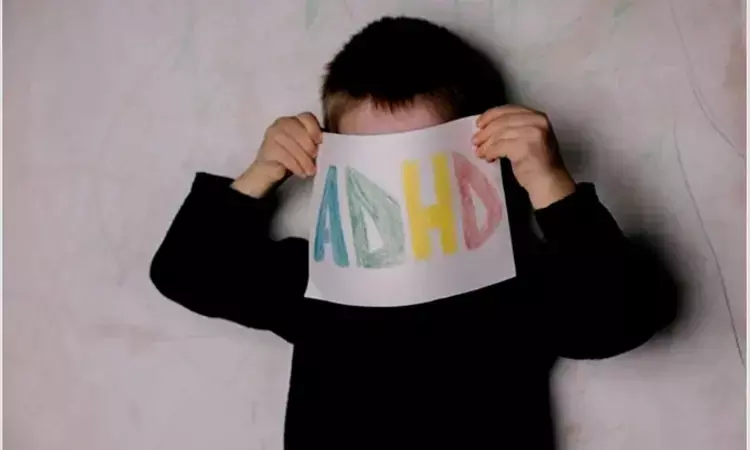


UK: A study published in Nature Medicine has found that external trigeminal nerve stimulation (TNS) is safe in children with ADHD but does not demonstrate meaningful clinical efficacy, suggesting it should not be relied upon as an effective treatment option.
External trigeminal nerve stimulation attracted attention after receiving US Food and Drug Administration (FDA) clearance in 2019 as the first non-pharmacological, device-based therapy for attention-deficit/hyperactivity disorder (ADHD). That approval was based on a small pilot trial reporting symptom improvement. However, new findings from a larger and more rigorously designed study now call its effectiveness into question.
In the confirmatory multicenter, double-blind, randomized, sham-controlled phase 2b trial, researchers led by Aldo Alberto Conti, PhD, from the Institute of Psychiatry, Psychology & Neurosciences at King’s College London, evaluated the short- and long-term efficacy of TNS in children and adolescents with ADHD. The study enrolled 150 participants with a mean age of 12.6 years, who were randomly assigned to receive either active TNS or sham stimulation, with 75 participants in each group.
Key Findings were as follows:
- Participants in both groups used the stimulation device nightly for approximately nine hours over four weeks.
- The active TNS group received bilateral stimulation of the V1 branches of the trigeminal nerve via battery-powered electrodes placed on the forehead.
- The sham group received brief, low-intensity stimulation for 30 seconds per hour at reduced frequency and pulse width to simulate treatment without therapeutic effect.
- Intention-to-treat analysis found no significant difference between the active and sham groups in improvement of core ADHD symptoms, the primary outcome of the study.
- The observed effect size was small and not considered clinically meaningful.
- No serious adverse events were reported during the study period.
- The type and frequency of side effects were similar in both groups, indicating that TNS was well tolerated.
Senior author Katya Rubia, PhD, highlighted the importance of rigorous placebo control in neurostimulation trials. She noted that high-tech brain-based therapies often generate strong expectations among patients and families, which can amplify placebo effects if not carefully controlled. Robust sham conditions are therefore essential to avoid overestimating benefits and raising false hopes.
The study also reported high adherence, with more than 93% compliance, indicating that lack of efficacy was unlikely to be due to poor device use. Follow-up assessments up to six months similarly showed no sustained benefits in symptoms or cognitive outcomes.
Despite its strengths, the trial had limitations. Teacher-reported data were largely missing due to low participation, preventing assessment of behavioral changes in school settings. Parent-reported outcomes, which formed the main basis of analysis, may also be influenced by stress and other contextual factors.
Overall, this large, multicenter trial contrasts with earlier positive pilot findings and adds to largely negative evidence for neurostimulation approaches in ADHD. While TNS appears safe, the results indicate it does not provide meaningful clinical benefit for children and adolescents with ADHD.
Reference:
Conti, A. A., Bozhilova, N., Eraydin, I. E., Stringer, D., Johansson, L., Marhenke, R., Bilbow, A., El Masri, S., Hyde, J., Giaroli, G., Liang, H., Fiori, F., Mehta, M. A., Santosh, P., Carter, B., Cortese, S., & Rubia, K. (2026). External trigeminal nerve stimulation in youth with ADHD: A randomized, sham-controlled, phase 2b trial. Nature Medicine, 1-9. https://doi.org/10.1038/s41591-025-04075-x

Next Story