
Incretin-Based Diabetes Drugs Show No Added Risk of Pancreatitis but Slight Increase in Biliary Events, Study Finds
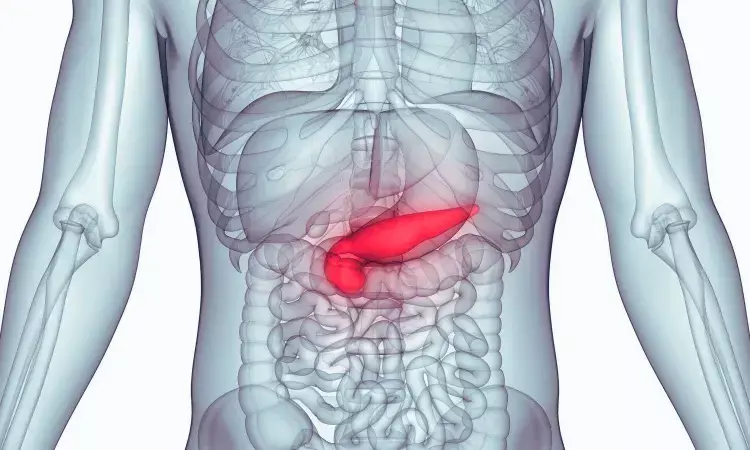


USA: A new large-scale analysis published in Diabetes Care has provided important insights into the safety of incretin-based therapies in patients with type 2 diabetes (T2D).
Yichen E. Fang from the Division of Pharmacoepidemiology and Pharmacoeconomics, Department of Medicine, Brigham and Women’s Hospital and Harvard Medical School, and colleagues examined whether medications such as GLP-1 receptor agonists (GLP-1RAs) and DPP-4 inhibitors (DPP-4is) increase the risk of acute pancreatitis or biliary events compared with other commonly prescribed diabetes drugs.
Patients with T2D are known to have a higher baseline risk of developing acute pancreatitis and biliary complications. However, past studies have shown inconsistent findings regarding whether incretin-based treatments further elevate this risk. To address these uncertainties, the researchers conducted a large-scale population-based study using data from Medicare Fee-for-Service (FFS) and two major U.S. commercial claims databases between 2014 and 2021.
The study included more than 1.2 million adults aged 18 years or older (and 65 years or older in the Medicare group) with T2D who had no prior history of acute pancreatitis or biliary disease. Participants were divided into three matched comparison groups based on their treatment initiation: GLP-1RAs versus SGLT2 inhibitors (SGLT2is), DPP-4is versus SGLT2is, and GLP-1RAs versus DPP-4is. Advanced statistical techniques were used to balance 92 baseline covariates and minimize confounding.
The study revealed the following findings:
- The risk of acute pancreatitis was similar between incretin-based therapy users and those on SGLT2 inhibitors.
- The hazard ratio (HR) for hospitalization due to acute pancreatitis was 1.01 for GLP-1 receptor agonists and 1.00 for DPP-4 inhibitors, showing no significant difference.
- Direct comparison between GLP-1RAs and DPP-4is also revealed no statistical difference in pancreatitis risk (HR 1.08).
- A slightly higher risk of biliary disease was observed among incretin users compared with SGLT2 inhibitor users.
- GLP-1RA users had a 15% higher risk (HR 1.15), while DPP-4i users had a 22% higher risk (HR 1.22).
- The absolute difference was minimal, corresponding to fewer than one additional biliary event per 1,000 person-years.
- No significant difference in biliary complications was found between GLP-1RA and DPP-4i users (HR 0.95).
In summary, the study provides reassuring evidence that GLP-1 receptor agonists and DPP-4 inhibitors do not increase the risk of acute pancreatitis in patients with type 2 diabetes. Although a modest rise in biliary events was noted relative to SGLT2 inhibitors, the overall incidence was very low.
"These findings offer greater clarity and confidence regarding the safety profile of incretin-based medications, which continue to play a vital role in managing blood glucose levels and reducing cardiovascular risk in patients with T2D," the authors wrote.
Reference:
Yichen E. Fang, Julie M. Paik, Janinne Ortega-Montiel, Helen Tesfaye, Deborah J. Wexler, Elisabetta Patorno; Risk of Acute Pancreatitis and Biliary Events After Initiation of Incretin-Based Medications in Patients With Type 2 Diabetes. Diabetes Care 2025; dc251840. https://doi.org/10.2337/dc25-1840

Next Story