
Long-Term High Blood Sugar Linked to Increased Risk of Calcific Aortic Valve Disease: Study
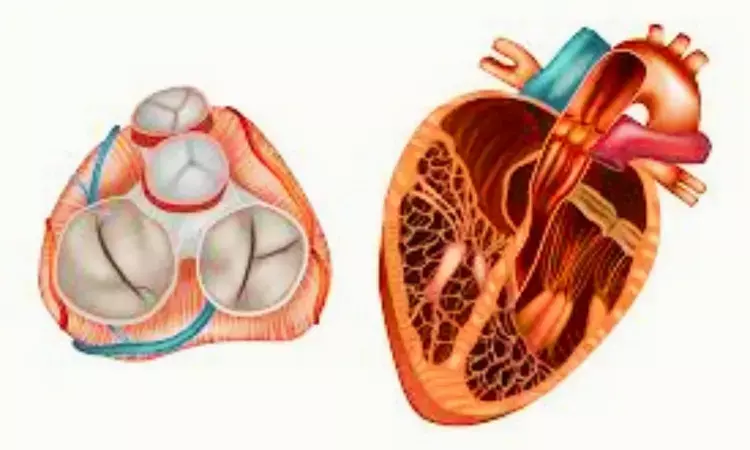


China: A new prospective cohort study published in Diabetes, Obesity and Metabolism has highlighted a significant association between long-term blood glucose patterns and the risk of developing calcific aortic valve disease (CAVD).
The research, led by Maoxiang Zhao from the Department of Interventional Center of Valvular Heart Disease at Beijing Anzhen Hospital, Capital Medical University, provides important insights into how chronic glycemic exposure may influence valve health, particularly in Asian populations.
CAVD is the most common form of valvular heart disease and remains an increasing public health concern. While age and traditional cardiovascular factors are well-established contributors, the role of sustained glucose abnormalities has been less clear. Zhao and colleagues aimed to address this gap by examining the relationship between long-term fasting blood glucose (FBG) levels and variations over time and their association with the onset of CAVD.
The study drew data from the large-scale Kailuan Study and included 10,309 adults who had no history of cardiovascular disease and showed no signs of CAVD at their initial echocardiographic evaluation. Participants’ fasting glucose measurements from three consecutive surveys before recruitment were used to assess long-term exposure and fluctuations. Using the hospitals' electronic medical record system, the researchers tracked new cases of CAVD, while follow-up assessments were conducted every two years until December 31, 2023.
The study led to the following findings:
- Over a median follow-up of 4.62 years, 2,062 participants developed calcific aortic valve disease.
- Analysis using multivariable Cox proportional hazards models showed a clear link between glycemic measures and CAVD risk.
- Individuals with type 2 diabetes had a 42% higher risk of developing CAVD compared with those without diabetes.
- Higher time-weighted average fasting blood glucose was associated with increased CAVD risk, reflected by a hazard ratio of 1.20.
- Elevated cumulative fasting blood glucose levels over time were linked with a 37% greater likelihood of developing CAVD.
- Participants who maintained more time within the target fasting glucose range experienced a protective effect, with a hazard ratio of 0.72.
- The findings indicate that consistent and well-controlled blood glucose levels may help reduce the risk of CAVD.
The findings highlight the importance of proactive and long-term glucose management not only for diabetes-related complications but also for preventing structural heart diseases such as CAVD. The authors emphasize that maintaining healthy fasting glucose levels and minimizing fluctuations may be an effective preventive strategy.
With metabolic disorders on the rise globally, especially in Asian countries, the study adds to growing evidence that cardiometabolic health extends far beyond traditional endpoints. As researchers continue to explore the interplay between glucose homeostasis and heart valve pathology, these results underscore the importance of early intervention and sustained glycemic control in reducing the burden of CAVD in the population.
Reference:
Zhao M, Liu Y, Huang W, Song G, Wu S. Long-term glycemic exposure, glycemic control stability and incident calcific aortic valve disease: A prospective cohort study. Diabetes Obes Metab. 2025 Nov 19. doi: 10.1111/dom.70285. Epub ahead of print. PMID: 41261315.

Next Story